Photo courtesy of Carl Gulbish
It’s been two months since the Philadelphia Union last played a game, and so much has changed.
Bradley Carnell was still the head coach. Messi was still a world champion. Kai Wagner was beginning his first offseason in eighteen months.
On that fateful Sunday night in Miami, on the eve of Memorial Day, all that was right with the Union went right, and all that was wrong with the Union went wrong. The Union jumped to an explosive lead in the fourth minute, building on multiple goal leads until the Miami attack regained its composure and took a 4-3 advantage. But when Milan Iloski completed his hat-trick in first half stoppage time to knot the game at 4-4, many may have wondered if this was the Union turnaround they’d been expecting.
Fast forward to the present.
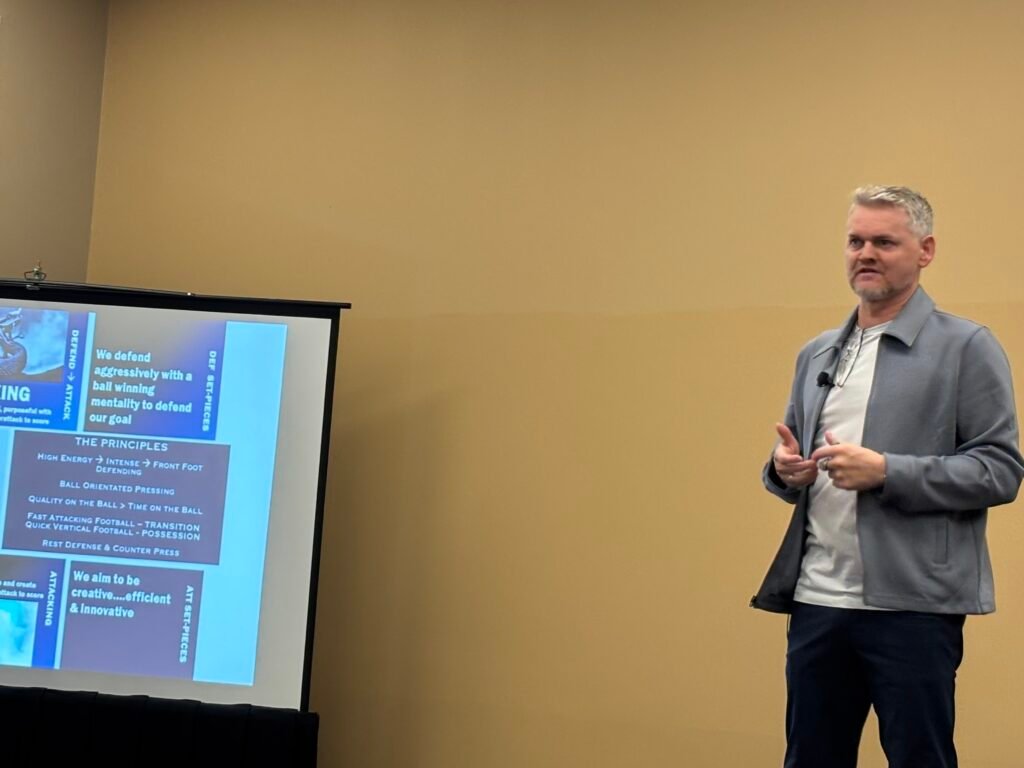
Bradley Carnell was dismissed shortly after the Miami loss, replaced by interim head coach Ryan Richter, a Bucks County native who’s been in the Union program since 2017. When we caught up with Richter early in the season, he was preparing his young Union 2 side to compete at the next level, to close the gap between a Supporters’ Shield-winning team and the current last place team in all of MLS. Though Richter also admitted he was preparing himself to be an MLS head coach, little did he know his opportunity would come so fast.
If Richter can pull this team back to the level they performed at last season, it may salvage what has been a disastrous 2026. It’s been done before, and Richter only has to look as far as Oreland’s Jim Curtin, who took over as an interim head coach in 2014 and never looked back. Under Curtin, the Union began the most successful run of form in the franchise’s young history and grew into one of the best teams in MLS. It’s a pressure Richter embraces.
“I’m focused on the team, on the game on Wednesday,” Richter said when asked about how he felt ‘sitting in the big chair,’ “the stuff I’m personally excited about, I’m trying to put to the side and just focus on the team’s performance.”
Carnell’s departure brings with it a lot of questions. Will the Union play as structured and press heavy? Will Cavan Sullivan gain more freedom? Will the Union get back to a defensive foundation that prevents more goals than they can score? Will the strikers, outside of Iloski, find their form?
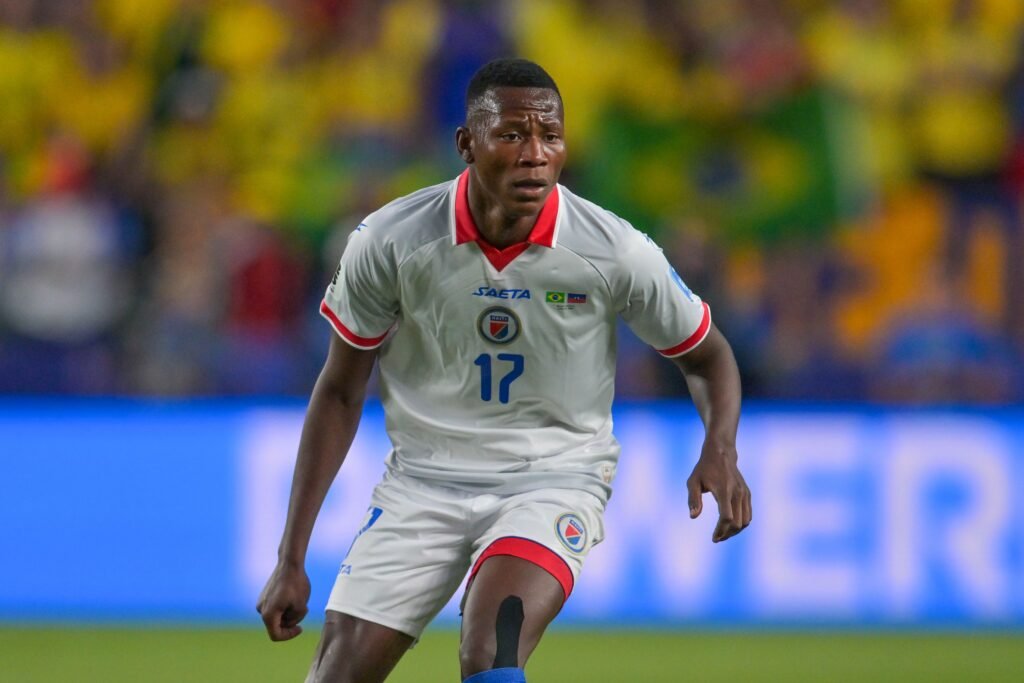
When the Union square off against the New York Red Bulls Wednesday night at Subaru Park (7:30 p.m., Apple TV), we’ll get our first glimpse of what the Richter era will look like.
The advantage of the extremely long World Cup break, which will end next year when MLS switches to a fall to spring calendar, is that the Union have had a long time to recover, reset, and forget. Two months is a long time to rid themselves of poor habits and gain the confidence they’ll need to head into the second half of the season with a fresh perspective. And they’ll need to forget because the second half begins at a blistering pace, with ten games over the next five weeks. The Union will play nineteen league games from now until November and Leagues Cup, which begins in two weeks, could add additional games in a compacted space as the now annual summer classic continues to interrupt a season that has already been impacted enough.
The rapid succession of games could either elevate the Union into playoff contention or keep them at the bottom, where they sit with seven points through fifteen games, four points behind Atlanta (8/1 home) and Kansas City (9/19 away). The Union remain the only team in the league without a win a home game.
Following Carnell’s departure, Owner Jay Sugarman and new Sporting Director Jon Scheer admitted they may have overreached in the offseason, replacing All-Stars Kai Wagner, Jakob Glesnes, and Tai Baribo for youngsters Philppe Ndinga, Japhet Sery Larsen, and Ezekiel Alladoh, who all struggled to acclimate. Sery showed the most promise before sustaining an injured shoulder just before the break, but with the latest reports of Olwethu Makhanya’s desire to leave the club, as promised by the previous Sporting Director Ernst Tanner if a deal from Europe came through, the Union backline appears to be a patchwork again entering a pivotal stretch of the season.
Wagner’s surprise return from Birmingham City last week provided a major boost. And though the deal opposed the Union’s typical transactional philosophy of buy low, sell high, the addition of a familiar star and presence in the locker room will add much needed grit. The move now relegates Ndinga to the loan market and Ben Bender back to his reserve role at left defense or left midfield. With Frankie Westfield on the right and Nathan Harriel providing depth on the outside or likely playing more centrally until the Makhanya situation is addressed, the backline will need to lock it down quick because there’s no doubt teams around the league smell the blood in the water. Neil Pierre, who spent the first half of the season on loan with Danish club Lyngby, returns to the central defender mix.
“What happened last year in the offseason with all the key players we were losing here, I think everybody could see this coming a little bit,” Wagner said about the start to the Union’s season. Wagner said he watched every Union game but one and remained close with many of his teammates while in England. “But on the other side, we thought, okay, they can still turn the ship around.”
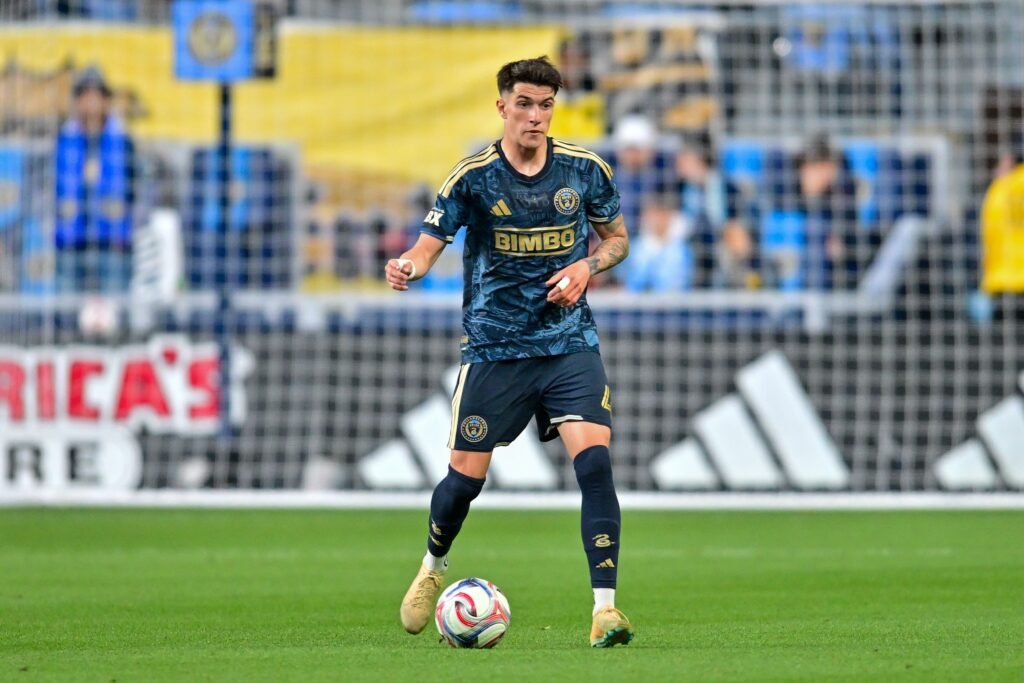
The Union also announced Quinn Sullivan’s return from ACL recovery, which will add another forward piece to an attack that’s been growing into the season. Though Sullivan’s minutes will be limited while he adjusts to full speed, his presence should add much-needed quality depth, something the Union haven’t had this season with the loss of Mikael Uhre and nagging injuries to Augustin Anello, who should also be fully healthy entering the second half. Sullivan’s addition allows for some tactical flexibility, also a strength of Indiana Vassilev, and will play a factor as Richter implements his own interpretation of the Red Bull philosophy.
With nearly five weeks of training, in what resembled a second preseason, Richter and his staff made sure to address their priorities, which didn’t include tactics and changes to the way he wants to attack and defend.
“The first message was what culture do we want? How do we train and play in a competitive way? What is our mentality and mindset? And how do we implement standards every day that holds us to that?”
A renewed mindset could bring the Union’s first home with of the season this week, starting with the Red Bulls (6-5-4, 22 points, 5th in EC), who also made a few identity changes with the promotion of their second team coach Michael Bradley at the start of the season. The Union’s record against their rival to the north has been as good as any other team as of late. Since 2020, the Union have an 11-1-4 record against the Red Bulls, with the lone loss coming last August on the road.
Saturday night, the Union face Seattle (7-4-3, 24 points, 6th in WC), who lost three of their previous four games before the break, including a 5-1 home thumping against their rivals from Portland.